Tempura Eggplant& Wagyu Meatballs
Story Behind the Plate
A late-night meal in Shanghai became a memory that stayed for years — and eventually found its way onto a plate at The Wild Artichoke.
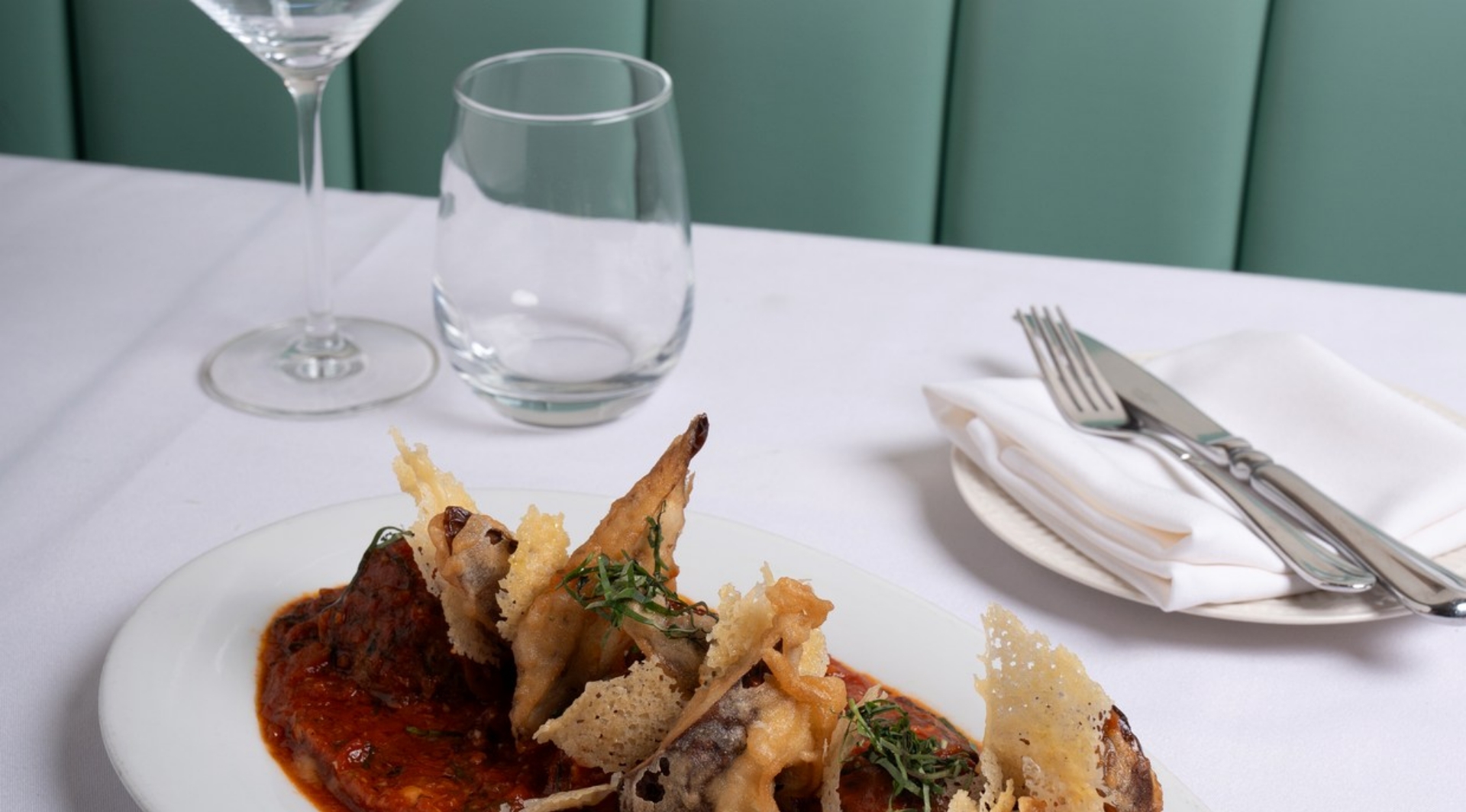
Shanghai, 2010. A late night.
I was working for a Japanese company at the time and had just returned to Shanghai after visiting suppliers in Hangzhou. Restless after a long day, I stepped out of my hotel for some air and started walking with no real destination.
That's when I noticed a small restaurant packed with locals. I lingered outside, peering through the glass, until curiosity got the better of me and I walked in.
I ordered a glass of baijiu and a few dishes I didn't recognize. One of them was qié jiā (茄夹) - slices of eggplant filled with seasoned ground pork and fried until crisp.
It arrived with a spicy mapo-style sauce. Biting through the crackling shell revealed tender eggplant and juicy pork, all tangled up in that deep, spicy sauce.
A dish I stumbled upon in a foreign city stayed with me for a very long time.
Years later, while developing a new dish for The Wild Artichoke, that night in Shanghai came back to me.
But I didn't want to recreate it. I wanted to carry the memory forward and build something new.
The meatball took the longest to figure out.
At first, I considered Porcupine Meatballs a Depression-era American dish where rice was added to ground meat to stretch it further. I loved the texture the rice created, and the story behind it.
For a while, I went back and forth between that idea and an Italian-style meatball.
In the end, I chose the latter - but built it from a blend of Wagyu beef, Kurobuta pork, and milk-fed veal.
Wagyu brought depth. Kurobuta brought richness and juiciness. Veal brought tenderness. Together, they created something no single meat could achieve alone.
Then I added shiitake mushroom, bringing another layer of texture and a deep, natural umami.
ON THE PLATE
Wagyu beef
Kurobuta pork
Milk-fed veal
Shiitake mushroom
Tempura eggplant
San Marzano tomato
Soy, garlic, ginger
Italian herbs
The eggplant, I wrapped in a light tempura batter.
What I remembered most from that night wasn't just the flavor it was the contrast. Crisp on the outside, soft within.
So I built a batter light enough to stay crisp even under the sauce, while the eggplant inside remained soft and almost creamy.
Then came the sauce.
Built on San Marzano tomatoes, finished with soy, garlic, ginger, and Italian herbs.
Not a recreation of that mapo-style sauce, and not a classic Italian marinara either - but something new, where those different influences could meet.
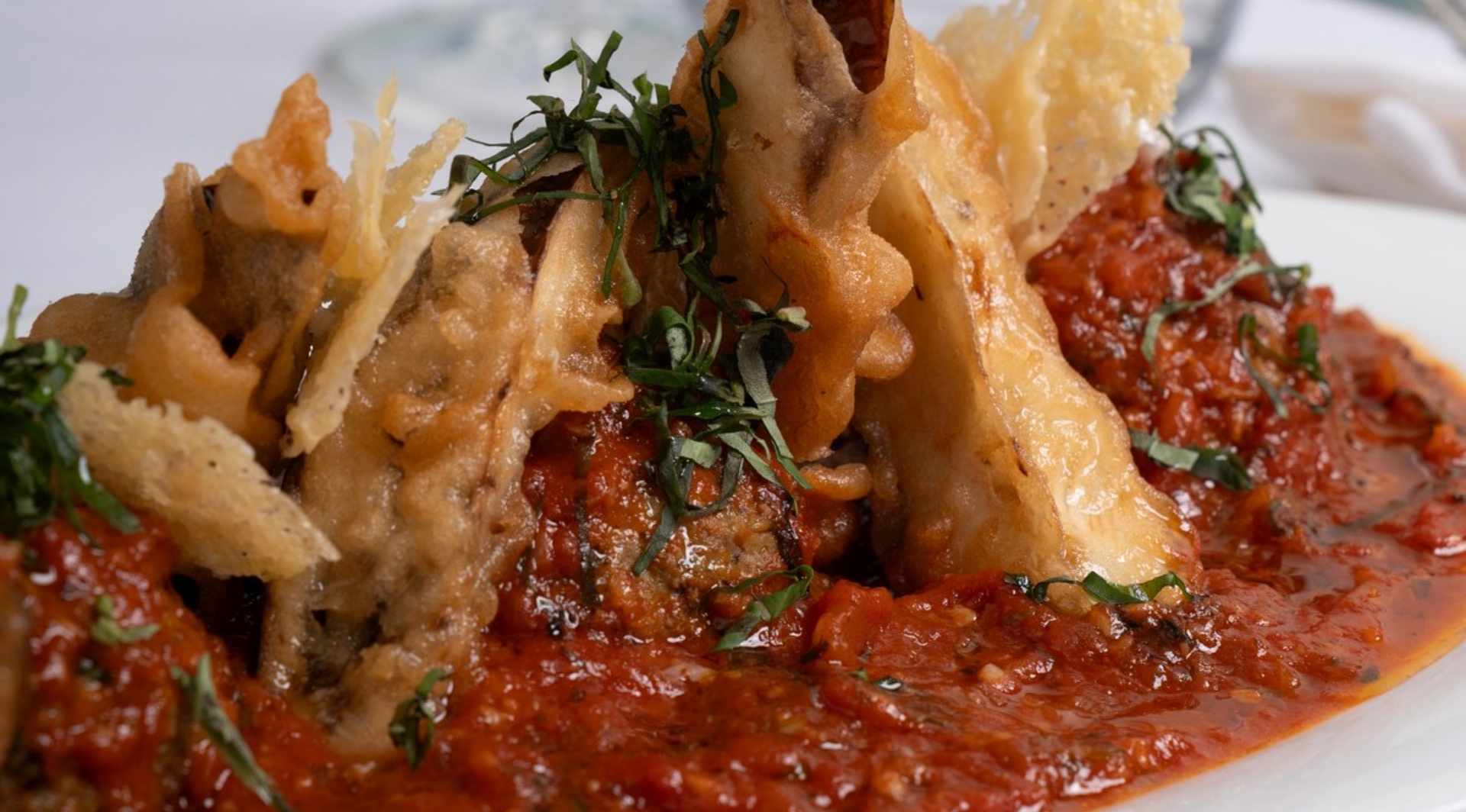
"It isn't the dish I ate in Shanghai. It is what remained of that memory after all these years."
- CHEF ANDREW JOO
THE IDEA
Not imitation. Not fusion for its own sake. A memory translated through years of cooking, tasting, and choosing.
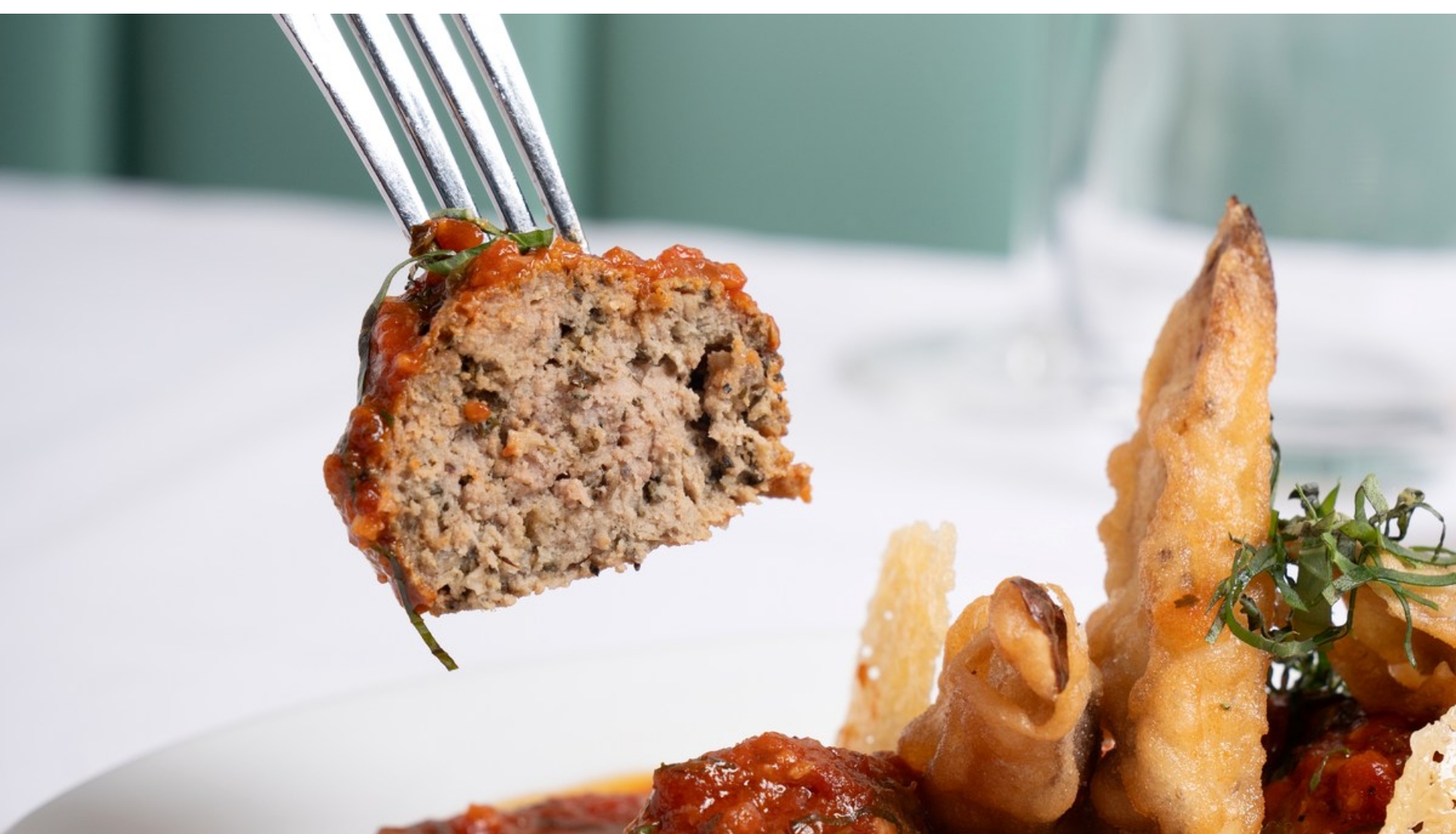
That plate I stumbled upon in a small Shanghai restaurant in 2010 stayed somewhere in my memory for years.
Eventually, after countless decisions, different ideas, and a journey of its own, it became Tempura Eggplant & Wagyu Meatballs at The Wild Artichoke.
Some nights leave a taste you never forget.